Table of Contents
- Branding And Marketing Tips For Small Businesses: Your Blueprint for Success
- Why Branding and Marketing are Non Negotiable for Small Businesses
- Part 1: Building a Rock-Solid Brand Foundation
- Understanding Your Brand’s DNA: Who Are You, Really?
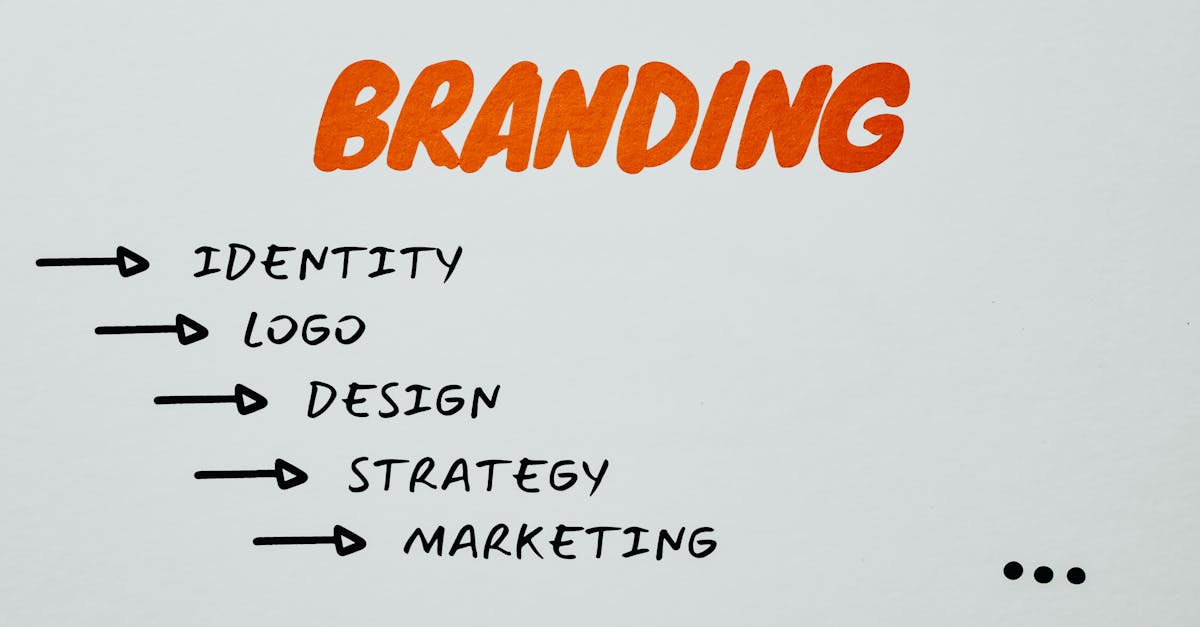
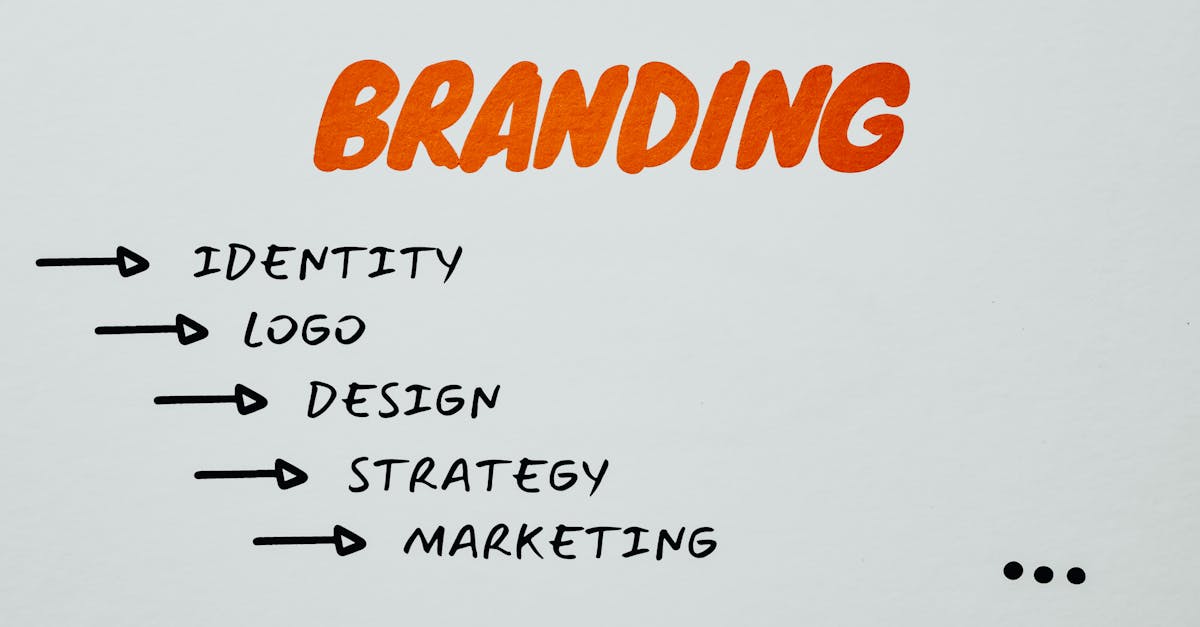
- Crafting Your Brand Identity: More Than Just a Logo
- Part 2: Unleashing Effective Marketing Strategies
- Digital Marketing: Your Online Playground
- A Powerful Website: Your Digital Storefront
- Social Media Mastery: Connecting with Your Community
- Email Marketing: Nurturing Leads and Customers
- Content Marketing: Sharing Your Expertise
- Traditional Marketing: Tried and True Tactics
- Part 3: Measuring Success and Adapting
- Analytics and Metrics: What’s Working, What’s Not?
- Customer Feedback: Your Most Valuable Asset
- Staying Agile: Evolving with the Market
- Conclusion: Your Journey to Small Business Stardom
- Frequently Asked Questions (FAQs)
Branding And Marketing Tips For Small Businesses: Your Blueprint for Success
Hey there, fellow entrepreneur! Are you a small business owner dreaming of making a big splash in a crowded marketplace? You’ve poured your heart and soul into your product or service, but sometimes it feels like shouting into a void, right? You’re not alone. Many small businesses struggle to stand out and connect with their ideal customers. That’s where robust branding and savvy marketing come into play. These aren’t just buzzwords for big corporations; they are the bedrock upon which thriving small businesses are built. Think of them as your business’s superpower, enabling you to not just compete, but truly shine.
In today’s fast paced world, simply having a great product isn’t enough. You need to tell your story, create a memorable experience, and strategically reach the people who need what you offer. This comprehensive guide is designed to empower you with actionable branding and marketing tips, transforming your small business into a recognized and respected force in your industry. We’re going to dive deep, peel back the layers, and equip you with the knowledge to craft a brand that resonates and marketing efforts that convert. Ready to unlock your business’s full potential? Let’s get started!
Why Branding and Marketing are Non Negotiable for Small Businesses
You might be thinking, “I’m a small business, I don’t have a huge budget for branding and marketing like the big guys.” And you know what? That’s precisely why it’s even *more* crucial for you. For a small business, every dollar spent and every moment invested needs to count. Branding isn’t just a logo; it’s the entire perception of your business. Marketing isn’t just advertising; it’s the strategic communication that brings customers to your door, whether physical or digital. Together, they create a powerful synergy that can elevate your business from obscurity to acclaim.
The Power of Perception: First Impressions Matter
Think about meeting someone new. Within seconds, you form an impression, don’t you? The same goes for your business. Your brand is that first impression, whether it’s through your website, your storefront, a social media post, or even a conversation. A strong brand instantly communicates professionalism, trustworthiness, and your unique value. It answers the unspoken question in a potential customer’s mind: “Why should I choose *them*?” Without a clear, compelling brand, you risk being seen as just another option, easily overlooked or forgotten. It’s about planting a seed of recognition and desirability that begins to sprout the moment someone encounters you.
Building Trust and Loyalty: The Long Game
Beyond that initial impression, branding and marketing are pivotal for forging lasting relationships. We’ve all got brands we trust implicitly, right? Brands that consistently deliver, brands that understand us, brands that we feel a connection with. That’s not accidental; it’s the result of consistent branding and targeted marketing efforts over time. For small businesses, building this kind of trust and loyalty is paramount. Loyal customers become your best advocates, spreading positive word of mouth, which is gold for any small operation. They’re also more forgiving, more likely to return, and less price sensitive. Essentially, a loyal customer base is your business’s stable foundation, weathering storms and driving sustainable growth.
Part 1: Building a Rock-Solid Brand Foundation
Before you even think about marketing, you need to know *what* you’re marketing. This is where your brand foundation comes in. Imagine trying to build a house without a blueprint; it would be chaotic and unstable. Your brand is your business’s blueprint, defining its identity, purpose, and promise to customers. Let’s dig into the core elements that will make your brand unforgettable.
Understanding Your Brand’s DNA: Who Are You, Really?
This isn’t just some abstract philosophical exercise; it’s a critical step in defining your business. Your brand’s DNA is what makes you, *you*. It’s your personality, your values, your mission. Getting this right means you can communicate consistently, attract the right people, and truly stand apart from competitors. So, grab a pen and paper, and let’s get introspective.
Defining Your Niche and Target Audience
Who are you trying to serve? This is perhaps the most fundamental question. Many small businesses make the mistake of trying to appeal to everyone, only to end up appealing to no one. Think of it like this: if you’re trying to catch fish, you wouldn’t use the same bait for every type of fish in the ocean, would you? You’d identify the specific fish you want and tailor your approach. Your target audience isn’t “everyone who needs X.” It’s specific demographics (age, gender, location, income) and psychographics (interests, values, lifestyle, pain points). The more precisely you define your ideal customer, the better you can tailor your brand messaging and marketing efforts directly to them, making your communication infinitely more effective.
Unearthing Your Unique Selling Proposition (USP)
Once you know *who* you’re talking to, you need to figure out *why* they should listen to you, specifically. What makes your business different, better, or more desirable than the competition? This is your Unique Selling Proposition. Is it your unparalleled customer service? Your artisanal, handcrafted quality? Your lightning fast delivery? Your eco friendly practices? Your quirky personality? It’s not enough to simply *have* a USP; you need to articulate it clearly and weave it into every fiber of your brand. Your USP should be a compelling reason that compels customers to choose you over everyone else. It’s your secret sauce, your competitive edge.
Crafting Your Brand Identity: More Than Just a Logo
With your DNA sorted, it’s time to give your brand a face, a voice, and a personality. Your brand identity is the tangible expression of your brand’s core. It’s what people see, hear, and feel when they interact with your business. And while a logo is a part of it, it’s just one piece of a much larger, more intricate puzzle.
The Visual Story: Logo, Colors, Typography
Humans are incredibly visual creatures, aren’t we? So, your visual identity is crucial. Your logo is the most recognizable symbol of your brand, so it needs to be memorable, relevant, and scalable. But don’t stop there. The colors you choose evoke emotions and associations. Red might signify passion or urgency, while blue often suggests trust and calm. Typography, the specific fonts you use, also plays a huge role in conveying personality. Is your brand playful and whimsical, or serious and authoritative? Your font choices will silently communicate this. Ensure all these visual elements work harmoniously to tell your brand’s story at a glance.
Your Brand Voice: What Do You Sound Like?
If your brand were a person, how would it speak? This is your brand voice. Is it friendly and informal, like a trusted neighbor? Is it authoritative and educational, like an expert consultant? Is it witty and irreverent, like a clever friend? Your brand voice should be consistent across all your communications, from website copy and social media posts to customer service emails and packaging inserts. It helps create a distinct personality and fosters a deeper connection with your audience. Remember, people connect with authenticity, so make sure your voice truly reflects who you are.
Developing a Brand Style Guide: Consistency is Key
Okay, so you’ve defined your niche, nailed your USP, and crafted your visual elements and voice. How do you ensure everyone involved with your business uses them correctly, every single time? Enter the brand style guide. This document is your brand bible. It outlines everything: logo usage rules, color palettes (with exact HEX/RGB codes), approved fonts, tone of voice guidelines, imagery styles, and even specific language to use or avoid. It ensures that whether it’s an employee, a graphic designer, or a marketing consultant, everyone is on the same page, leading to a consistent, professional, and easily recognizable brand experience across all touchpoints. Think of it as your brand’s instruction manual; you wouldn’t want to build a flat pack furniture without one, would you?
Part 2: Unleashing Effective Marketing Strategies
Now that your brand foundation is solid, it’s time to shout about it from the rooftops! But not just any shouting; we’re talking about strategic, targeted communication that reaches your ideal customers where they are, with messages that resonate. Marketing isn’t a one size fits all solution, especially for small businesses. You need a mix of digital and, in some cases, traditional approaches. Let’s explore the most impactful strategies.
Digital Marketing: Your Online Playground
In today’s interconnected world, an online presence isn’t just an option; it’s a necessity. Digital marketing offers incredible reach, precise targeting, and measurable results, often at a fraction of the cost of traditional advertising. It’s your virtual storefront, your direct line to customers, and your platform for showcasing everything amazing about your business.
A Powerful Website: Your Digital Storefront
Your website is often the first, and sometimes only, impression potential customers have of your business. It’s your 24/7 salesperson, information hub, and credibility builder all rolled into one. It needs to be more than just pretty; it needs to be functional, user friendly, mobile responsive, and truly reflect your brand. Think about it: if someone visits your site and it’s slow, confusing, or looks outdated, what does that say about your business? Invest in a well designed, intuitive website that clearly communicates your value proposition, showcases your products/services, and makes it easy for visitors to take action, whether that’s making a purchase, booking a service, or simply contacting you.
SEO Basics for Small Businesses: Getting Found Online
Having a great website is like having a beautiful store tucked away on a forgotten street. How will anyone find it? That’s where Search Engine Optimization (SEO) comes in. SEO is the art and science of getting your website to rank higher in search engine results (like Google) for relevant keywords. For a small business, mastering some SEO basics is absolutely vital. Start by identifying keywords your target audience uses to search for your products or services. Incorporate these naturally into your website content, page titles, and meta descriptions. Ensure your website is technically sound, loads quickly, and is mobile friendly. Regularly creating valuable, relevant content (like blog posts) also signals to search engines that you’re an authority in your field. It’s a long game, but the payoff of organic traffic is immense.
Social Media Mastery: Connecting with Your Community
Social media isn’t just for sharing cat videos (though those are fun!). For small businesses, it’s a dynamic platform to connect directly with your audience, build community, drive traffic to your website, and even make sales. It allows you to humanize your brand, share your story, and receive instant feedback. But it’s not about being everywhere; it’s about being strategic.
Choosing the Right Platforms
Don’t fall into the trap of trying to be active on every single social media platform. That’s a recipe for burnout and diluted effort. Instead, identify where your target audience spends their time online. Are they scrolling through Instagram for visual inspiration? Are they connecting professionally on LinkedIn? Are they looking for quick tips on TikTok? Focus your efforts on the 1 or 2 platforms where your ideal customers are most active and where your brand can genuinely thrive. A well executed strategy on one platform is far more effective than a half hearted presence on five.
Content That Converts: Engagement Strategies
Once you’re on the right platforms, what do you post? The key is to provide value, entertain, and engage. Don’t just blast sales messages. Share behind the scenes glimpses, offer helpful tips, ask questions to spark conversation, run polls, and respond to comments and messages promptly. Use a mix of content formats: images, short videos, stories, and live streams. Remember your brand voice and use it consistently. The goal is to build relationships, establish your expertise, and make your audience feel like part of your community. When you consistently provide value, people will naturally be more receptive when you do present a promotional message.
Email Marketing: Nurturing Leads and Customers
Often overlooked in the age of social media, email marketing remains one of the most powerful and cost effective tools for small businesses. Why? Because you own your email list. You’re not subject to algorithm changes or platform rules. It’s a direct, personal line of communication with people who have explicitly opted in to hear from you. Think of your email list as your VIP club.
Building Your Email List
How do you get people to join your VIP club? You offer them something valuable! This could be a free downloadable guide, a discount on their first purchase, exclusive content, or early access to new products. Place clear calls to action (CTAs) on your website, social media, and even in store. Make it easy for people to sign up, but also give them a compelling reason to do so. Remember, people are protective of their inboxes, so respect their trust by providing genuine value from the start.
Crafting Compelling Campaigns
Once you have a list, what do you send? Again, it’s not just about sales. Use email to nurture leads, announce new products, share helpful tips, send exclusive offers, or simply stay top of mind. Segment your list if possible, so you can send highly targeted messages to different groups of subscribers. Personalize your emails where you can. Craft engaging subject lines that make people want to open your emails. Keep your content concise and focused, with a clear call to action. The more relevant and valuable your emails are, the more likely your subscribers will remain engaged and eventually convert into loyal customers.
Content Marketing: Sharing Your Expertise
Content marketing is all about creating and distributing valuable, relevant, and consistent content to attract and retain a clearly defined audience. It’s a long term strategy that positions you as an expert and builds trust over time. It’s not about selling directly; it’s about providing solutions, answering questions, and building a relationship with your audience by genuinely helping them.
Blogging and Beyond: Value Driven Content
A blog is a fantastic hub for your content marketing efforts. Use it to share industry insights, how to guides, product reviews, customer success stories, or answers to common customer questions. Each blog post is an opportunity to showcase your expertise, connect with your audience, and boost your SEO. But content isn’t just written words. Think about infographics, case studies, whitepapers, podcasts, and even interactive tools. The key is to create content that your target audience genuinely finds useful, interesting, or entertaining. The more value you provide, the more they will see you as a trusted resource.
Video Marketing: The Visual Advantage
Video content is king, or at least a very powerful prince, in today’s digital landscape. From short, engaging TikToks and Instagram Reels to longer YouTube tutorials and live Q&As, video captures attention like no other medium. It allows you to convey personality, demonstrate products, build trust, and simplify complex information in an easily digestible format. Don’t be intimidated by high production costs; even well shot smartphone videos can be incredibly effective. Consider using video for product demos, behind the scenes peeks, customer testimonials, educational content, or even just a friendly introduction to your team. People prefer watching to reading, so leverage this preference!
Traditional Marketing: Tried and True Tactics
While digital marketing dominates, don’t completely discount traditional marketing methods. For many small businesses, especially those serving a local community, these time tested tactics can still be incredibly effective when used strategically. Sometimes, a tangible touchpoint or a face to face interaction can make all the difference.
Local SEO and Google My Business: Dominate Your Neighborhood
If you have a physical location or serve a specific geographic area, local SEO is your best friend. This is about optimizing your online presence to attract customers from your vicinity. The cornerstone of local SEO is your Google My Business (GMB) profile. Claim and fully optimize your GMB listing with accurate business information, hours, photos, and services. Encourage customers to leave reviews, and respond to them proactively. GMB helps your business appear in “near me” searches and on Google Maps, which is incredibly powerful for driving foot traffic or local service inquiries. It’s essentially your digital storefront on Google, making it easy for locals to find you.
Networking and Community Engagement: Building Local Bonds
Sometimes, the best marketing happens offline. Attend local chamber of commerce meetings, join business associations, sponsor community events, or participate in local markets. Networking allows you to build relationships with other business owners, potential collaborators, and directly with local customers. Engaging with your community not only builds goodwill but also positions your business as a trusted, integral part of the local fabric. People love to support local businesses they know and respect. It’s about being present and approachable, forging genuine connections that turn into loyal patronage.
Print Advertising and Flyers: Still Relevant?
In a world saturated with digital ads, can print still make an impact? Absolutely, for the right small business and the right audience. Think about local newspapers, community magazines, or well placed flyers in complementary businesses. The key is extreme targeting. If your product appeals to a demographic that still reads specific local publications, or if you have a visually appealing offer that stands out on a flyer, print can be effective. It often feels more tangible and trustworthy than a fleeting digital ad. Just ensure your messaging is clear, your call to action is prominent, and you have a way to track responses (e.g., a specific coupon code or landing page URL).
Part 3: Measuring Success and Adapting
You’ve put in all this effort to build your brand and launch your marketing campaigns. Now what? You can’t just set it and forget it! The most successful small businesses are those that constantly monitor their performance, learn from their data, and are willing to adapt their strategies. This iterative process is crucial for continuous improvement and maximizing your return on investment.
Analytics and Metrics: What’s Working, What’s Not?
This is where the rubber meets the road. Most digital marketing platforms (Google Analytics for your website, insights on social media, email marketing platforms) provide a wealth of data. Don’t let it overwhelm you. Focus on key metrics that align with your business goals. For your website, are people visiting? Where are they coming from? What pages are they looking at? For social media, are your posts getting engagement (likes, comments, shares)? Are people clicking on your links? For email marketing, what are your open and click through rates? By regularly reviewing these metrics, you can identify what’s performing well, what needs adjustment, and where your resources are best allocated. It’s like having a compass that guides your journey.
Customer Feedback: Your Most Valuable Asset
Numbers tell one story, but your customers tell another, often more profound, one. Actively solicit and listen to customer feedback. This can be through online reviews, social media comments, direct emails, surveys, or even casual conversations. What do they love about your product or service? What frustrates them? What suggestions do they have? This qualitative data is invaluable for refining your brand, improving your offerings, and tailoring your marketing messages to better meet their needs. Remember, a happy customer is your best marketing tool, and a heard customer is a loyal customer.
Staying Agile: Evolving with the Market
The business landscape is constantly shifting. New technologies emerge, consumer preferences change, and competitors adapt. As a small business, your greatest advantage is your agility. You can pivot faster than large corporations. So, stay informed. Keep an eye on industry trends, new marketing tools, and what your competitors are doing. Be willing to experiment with new strategies, test different messages, and discard what isn’t working. Don’t be afraid to evolve your brand or adjust your marketing tactics based on your data and feedback. Rigidity in business is often a death sentence; flexibility is the key to long term survival and growth.
Conclusion: Your Journey to Small Business Stardom
Phew! We’ve covered a lot of ground, haven’t we? From defining your brand’s very soul to strategically unleashing your marketing message, these steps are your roadmap to small business success. It might seem like a lot, but remember, every thriving business started with a single step, often a wobbly one. The beauty of being a small business is that you can implement these strategies organically, authentically, and in a way that truly reflects your passion and purpose.
Branding and marketing aren’t just expenses; they are vital investments in your business’s future. By consistently communicating who you are, what you offer, and why it matters, you’re not just selling products or services; you’re building relationships, fostering trust, and creating a community around your brand. So, take these tips, make them your own, and embark on your journey to small business stardom with confidence. We can’t wait to see you shine!
Frequently Asked Questions (FAQs)
Q1: I’m just starting out with a tiny budget. Where should I focus my branding and marketing efforts first?
A1: With a tiny budget, your absolute first step should be to clearly define your brand’s niche, target audience, and Unique Selling Proposition (USP). Once you have that clarity, focus on establishing a strong online foundation: a simple, professional website (even a one page site) and an optimized Google My Business profile. Then, choose just one social media platform where your audience is most active and commit to consistent, engaging content there. Email marketing can also be very cost effective once you start building a list. These foundational elements offer the best bang for your buck.
Q2: How often should I post on social media to stay relevant without overwhelming my audience?
A2: There’s no magic number, as it depends on the platform and your audience. However, consistency trumps frequency. For most small businesses, posting 3 to 5 times a week on platforms like Instagram or Facebook is a good starting point. On platforms like TikTok or X (formerly Twitter), daily posts might be more common. The key is to analyze your engagement rates to see when your audience is most active and responsive. It’s better to post high quality content less frequently than low quality content daily. Remember to engage back with comments and messages!
Q3: Is it really necessary to have a brand style guide if I’m the only person working in my business?
A3: Absolutely! Even if you’re a solopreneur, a brand style guide is incredibly valuable. It acts as your own personal reference point, ensuring you maintain consistency in your messaging, visuals, and tone across all your marketing materials, from a social media graphic to an invoice. This consistency builds recognition and professionalism over time. Plus, if you ever hire help or outsource tasks in the future, you’ll have a ready made guide to onboard them quickly and effectively.
Q4: What’s the most effective way for a small business to gather customer feedback?
A4: A multi pronged approach usually works best. Actively encourage online reviews on platforms like Google, Yelp, or industry specific sites. You can also send short, targeted surveys via email after a purchase or service. Make it easy for customers to give feedback through a dedicated contact form on your website. Don’t underestimate the power of simply asking during in person interactions or via direct messages on social media. Crucially, always listen without defensiveness and thank customers for their input, showing that you value their opinions.
Q5: I’m worried about competition from larger businesses. How can my small business stand out with branding and marketing?
A5: Your biggest advantage against larger competitors is your ability to be nimble, authentic, and hyper focused. Leverage your smallness: highlight your personalized customer service, tell your unique origin story (people connect with human stories!), and demonstrate your passion. Focus on a very specific niche where you can become the go to expert, rather than trying to compete broadly. Emphasize your community involvement if applicable. Big businesses often struggle with genuine connection; your branding and marketing can lean into that human element, creating a loyal customer base that values your personal touch over corporate scale.