Table of Contents
- The Power of Branding: Forging Unbreakable Customer Loyalty
- Why Customer Loyalty Matters More Than Ever
- What Exactly Is “Branding” in This Context?
- The Foundational Pillars of Loyalty-Driven Branding
- Strategies to Engineer Lasting Loyalty Through Branding
- Measuring Your Loyalty-Building Efforts
- Conclusion: Building a Brand That Lasts a Lifetime
- Frequently Asked Questions (FAQs)
The Power of Branding: Forging Unbreakable Customer Loyalty
Ever walked into your favorite coffee shop, where they know your order before you even say a word, and you just feel… at home? That warm, fuzzy feeling? That’s not just good service; that’s brilliant branding at work, silently weaving a spell of loyalty around you. In today’s bustling marketplace, where options abound and competition is fierce, simply having a great product or service isn’t enough to stand out. We’ve moved beyond transactional relationships; customers crave connection, recognition, and a sense of belonging. This is precisely where the strategic art of branding steps in, not just to catch an eye, but to capture a heart, transforming fleeting customers into lifelong advocates. It’s about building a bond so strong, so authentic, that your customers wouldn’t dream of going anywhere else. But how exactly do we achieve this almost magical feat? Let’s dive deep into the fascinating world where branding meets unwavering customer loyalty.
Why Customer Loyalty Matters More Than Ever
Think about it for a moment. In a world saturated with choices, what makes you stick with one particular brand over another? Is it always the lowest price? Often, it’s something far more profound: trust, familiarity, and a history of positive experiences. Customer loyalty isn’t just a nice-to-have; it’s a critical component for sustainable business growth, acting as a sturdy foundation in an otherwise turbulent market. When customers are loyal, they don’t just buy; they invest their confidence, their recommendations, and their long-term commitment into your brand. We’re talking about a tangible asset that fuels repeat purchases, provides invaluable word-of-mouth marketing, and creates a significant buffer against market fluctuations. Why would any business owner overlook such a powerful differentiator?
The Cost of Churn: A Silent Business Killer
Let’s get real about what happens when loyalty isn’t nurtured. Customer churn, the rate at which customers stop doing business with you, is a silent killer for many companies. Acquiring a new customer can cost five to twenty five times more than retaining an existing one. Imagine continuously filling a leaky bucket; you’re pouring resources in, but they’re constantly dripping out. This constant battle to replace lost customers drains your budget, zaps your team’s morale, and prevents the compounding growth that loyal relationships bring. Every time a customer walks away, it’s not just a lost sale; it’s a lost opportunity for future revenue, referrals, and vital feedback. Understanding this stark reality underscores just how vital it is to focus on retention strategies, with branding sitting right at the heart of that effort.
Loyal Customers: Your Best Advocates
Now, let’s flip the coin. What happens when you do earn that loyalty? You gain advocates. Loyal customers don’t just return; they champion your brand. They tell their friends, share on social media, and defend you against critics. Think of them as your personal, unpaid marketing army, spreading authentic, credible recommendations that money simply cannot buy. We inherently trust recommendations from people we know far more than any advertisement. These advocates are gold, significantly reducing your marketing spend and amplifying your reach in a way that feels organic and genuine. They become part of your brand story, reinforcing your reputation and attracting new, often more aligned, customers who are already primed for a similar loyal journey.
What Exactly Is “Branding” in This Context?
Before we delve deeper into building loyalty, it’s crucial to clarify what “branding” truly means. For many, the word conjures images of flashy logos, catchy taglines, or slick advertisements. While these elements are undoubtedly part of branding, they are merely the tip of the iceberg. True branding, especially when it comes to fostering loyalty, goes far beyond superficial aesthetics. It’s the sum total of every interaction a customer has with your business, every feeling they associate with you, and every expectation they form. It’s the personality, the promise, and the perception that your business cultivates in the minds of its audience. It’s less about what you say you are, and more about what your customers feel you are.
Beyond the Logo: The Essence of Your Brand
Your brand isn’t just a pretty picture; it’s the very soul of your business. It encompasses everything from the design of your product and the tone of your emails to the way your customer service team handles a complaint. It’s the unique identity that differentiates you from your competitors and makes you memorable. When we talk about loyalty through branding, we’re talking about connecting with customers on a deeper level, building a relationship that transcends a single transaction. It’s about creating a consistent, positive experience that reinforces your brand’s core values at every touchpoint. What kind of feelings do you want to evoke? What message do you want to leave ingrained in people’s minds? These are the questions that truly define your brand’s essence.
Your Brand’s Mission, Vision, and Values
At the very heart of your brand’s essence lie its mission, vision, and values. These aren’t just corporate jargon to be tucked away on an ‘About Us’ page; they are the guiding principles that inform every decision, every product, and every interaction. Your mission statement defines your purpose and what you do. Your vision statement paints a picture of the future you aspire to create. And your values? These are the non-negotiable beliefs that dictate how you operate, from internal culture to external customer relations. When these elements are clearly defined and genuinely lived, they resonate with customers who share similar ideals. People aren’t just buying products anymore; they’re buying into philosophies and causes. Aligning with your customers’ values builds an immediate, powerful connection that forms the bedrock of loyalty.
The Brand Voice and Personality
Just like people, brands have voices and personalities. Are you witty and playful, or serious and authoritative? Are you a nurturing friend, a knowledgeable guide, or a rebellious innovator? Your brand voice is the consistent tone and style you use in all your communications, whether it’s a social media post, an email newsletter, or a product description. This personality helps you connect with your audience on an emotional level, making your brand feel human and approachable. When customers feel like they’re interacting with a real entity, one with a distinct character they can relate to, they’re far more likely to feel a sense of affinity and, you guessed it, loyalty. Think of brands like Harley Davidson or Innocent Drinks; their personalities are unmistakable and deeply ingrained in their loyal communities.
The Foundational Pillars of Loyalty-Driven Branding
Building genuine customer loyalty isn’t about grand gestures alone; it’s about consistently upholding several core principles that collectively shape your brand’s perception and foster deep relationships. These pillars are non-negotiable for anyone serious about creating a brand that not only attracts customers but keeps them coming back, time and time again. Think of these as the fundamental building blocks, without which your loyalty efforts might crumble.
Consistency is King: Delivering on Your Promise
Imagine going to your favorite restaurant, only for the food quality, service, and atmosphere to be wildly different each time you visit. Would you remain a loyal patron? Probably not. Consistency is the bedrock of trust, and trust is the bedrock of loyalty. Your brand makes an implicit promise with every interaction, every product, and every piece of communication. Delivering on that promise, reliably and consistently, builds confidence and predictability. Customers appreciate knowing what to expect from you, and when you consistently meet or exceed those expectations, you reinforce their belief in your brand. Inconsistency, on the other hand, breeds doubt and drives people away faster than you can say “competitor.”
Visual Consistency: From Website to Packaging
Visual elements are often the first point of contact and play a crucial role in brand recognition. Your logo, color palette, typography, and imagery should be consistent across every single touchpoint. Does your website look like it belongs to the same brand as your social media profiles? Is your product packaging instantly recognizable? From your online presence to your physical storefront, from your email signatures to your advertising campaigns, a unified visual identity creates a cohesive and professional impression. This visual cohesion doesn’t just look good; it reinforces your brand’s identity, making it easier for customers to recall and differentiate you in a crowded market. It’s like recognizing a familiar face in a crowd; it creates an immediate sense of ease and connection.
Message Consistency: A Unified Narrative
Beyond visuals, your brand’s message needs to sing from the same hymn sheet across all channels. Is your brand voice consistent in your marketing copy, customer service interactions, and product descriptions? Do your values shine through in every piece of content you produce? A unified narrative means that regardless of where a customer encounters your brand, they receive the same core message and experience the same brand personality. This removes confusion, builds clarity, and strengthens your brand’s identity in their minds. When your message is consistent, it builds a compelling story that customers can latch onto and trust, making them feel like they truly understand who you are and what you stand for.
Authenticity: Being Genuinely You
In an age of hyper-connectivity and information overload, consumers have become incredibly adept at sniffing out inauthenticity. Trying to be something you’re not, or mimicking a competitor, is a surefire way to alienate your audience. Authenticity is about being genuine, transparent, and true to your brand’s core. It means admitting mistakes when they happen, sharing your true story, and standing by your values, even when it’s difficult. People connect with realness. When customers perceive your brand as authentic, they are far more likely to trust you, forgive minor missteps, and develop a deeper, more enduring loyalty. Don’t try to fit into a mold; celebrate what makes your brand uniquely you.
Emotional Connection: Tapping into the Human Element
At the end of the day, we are all emotional beings. While logic and practicality certainly play a role in purchasing decisions, it’s often emotions that drive true loyalty. Think of your favorite brands. Do you simply appreciate their products, or do they evoke a feeling? Perhaps joy, security, excitement, or inspiration? Building an emotional connection means going beyond the functional benefits of your product or service and tapping into what truly matters to your customers on a deeper, more personal level. It’s about making them feel something positive when they interact with your brand, fostering a sense of belonging and shared values.
Storytelling: Weaving Your Brand’s Narrative
Humans are hardwired for stories. From ancient campfire tales to modern Netflix binges, narratives captivate us, make information memorable, and forge emotional bonds. Your brand has a story, too. It could be the origin story of your founders, the journey of your product, or the impact your brand has on its community. Sharing these stories in an engaging, authentic way can create a powerful emotional resonance with your audience. When customers understand the “why” behind your brand, they don’t just buy a product; they buy into a narrative, a mission, or a dream. They become part of your story, and that connection is incredibly potent for fostering loyalty.
Creating Memorable Experiences
Beyond the product itself, every interaction a customer has with your brand contributes to their overall experience. Is it smooth and effortless? Is it surprising and delightful? Or is it frustrating and forgettable? Memorable experiences, especially positive ones, etch your brand into the customer’s mind. This could be anything from a beautifully designed unboxing experience, an unexpectedly helpful customer service interaction, to a seamless online checkout process. These moments become part of your brand’s legacy in the customer’s mind, creating positive associations that encourage repeat business and strengthen their emotional bond. We often remember how someone made us feel more than what they actually said or did, don’t we? It’s the same for brands.
Strategies to Engineer Lasting Loyalty Through Branding
Alright, we’ve laid the groundwork. We understand what branding truly entails and why loyalty is paramount. Now, let’s roll up our sleeves and explore concrete strategies you can implement to actively engineer that coveted, lasting customer loyalty through your brand. These aren’t just theoretical concepts; they are actionable steps that, when woven into the fabric of your brand, can yield remarkable results.
Personalized Experiences: Making Each Customer Feel Special
In a world of mass communication, generic interactions feel impersonal and can actually alienate customers. We all crave to be seen, heard, and understood as individuals. Personalization is about tailoring the customer journey to individual preferences and behaviors, making each person feel valued and unique. It’s not about being creepy; it’s about being thoughtful and relevant. When your brand speaks directly to a customer’s needs and interests, it creates a much stronger sense of connection and appreciation, fueling loyalty.
Data-Driven Personalization
How do you achieve personalization at scale? Through data, of course! By carefully collecting and analyzing customer data (with their permission, naturally), you can gain insights into their purchase history, browsing habits, demographic information, and preferences. This data allows you to segment your audience and deliver highly relevant messages, product recommendations, and offers. Imagine receiving an email that suggests products you genuinely might love, rather than random items. That feels good, right? That’s data-driven personalization working its magic, making your brand feel smart, intuitive, and genuinely helpful.
Tailoring Communication and Offers
With data in hand, you can then tailor your communication and offers. This might mean sending birthday discounts, recommending products based on past purchases, or even customizing the content on your website for returning visitors. It’s about moving beyond a “one size fits all” approach and embracing a “one size fits one” mentality. When customers feel that your brand understands them individually, and that the communications they receive are genuinely relevant, they’re much more likely to engage, respond positively, and feel a deeper bond with your brand. It’s the difference between a generic sales pitch and a personal recommendation from a trusted friend.
Community Building: Fostering a Sense of Belonging
Humans are social creatures; we crave belonging. Smart brands understand this and actively work to build communities around their products or values. A brand community is a group of loyal customers who connect with each other, and with the brand, around a shared interest or passion. This isn’t just about selling; it’s about creating a shared identity and fostering a sense of camaraderie. When customers feel like they’re part of something bigger, something exclusive, their loyalty to the brand intensifies exponentially.
Online Forums and Social Groups
Digital platforms offer incredible opportunities for community building. Creating dedicated online forums, Facebook groups, or Discord servers where customers can interact, share tips, ask questions, and celebrate their shared passion for your brand can be incredibly powerful. These spaces allow customers to feel connected not just to your brand, but to each other. They become self-sustaining hubs of advocacy, support, and engagement. Imagine a group where users of your specialized software share hacks and help each other; that’s brand loyalty in its purest, most active form.
Exclusive Access and Events
Another fantastic way to foster community and boost loyalty is by offering exclusive access or special events. This could mean early access to new products, invitations to VIP webinars, or even exclusive content just for your most loyal customers. These perks make customers feel special, appreciated, and part of an inner circle. They reinforce the idea that their loyalty is recognized and rewarded, strengthening their bond with your brand and giving them compelling reasons to stick around. Who doesn’t love feeling like a VIP?
Exceptional Customer Service: A Brand’s True Test
Let’s be honest, even the best brands occasionally face issues. It’s not about avoiding problems entirely; it’s about how you handle them when they inevitably arise. Exceptional customer service isn’t just a department; it’s a brand philosophy. It’s the moment of truth where your brand’s values are put to the ultimate test. A negative experience can quickly erode years of built-up loyalty, but an outstanding resolution can actually strengthen the bond, turning a frustrated customer into a fervent advocate. Empower your customer service team, ensure they embody your brand’s voice and values, and prioritize swift, empathetic, and effective problem-solving. A brand that genuinely cares about its customers beyond the sale will always win hearts and loyalty.
Rewarding Loyalty: Going Beyond Transactions
While an emotional connection is powerful, tangible rewards can also play a significant role in reinforcing loyalty. This isn’t just about discounts; it’s about showing appreciation and giving back to those who consistently choose your brand. Rewarding loyalty adds a practical layer to the emotional connection, making customers feel genuinely valued for their continued support.
Loyalty Programs That Actually Work
Not all loyalty programs are created equal. The most effective ones are simple to understand, easy to use, and offer rewards that are genuinely desirable to your target audience. Think about tiered systems, points for purchases, or exclusive benefits for reaching certain spending thresholds. The key is to make customers feel like they’re gaining real value and that their loyalty is actively being recognized and reciprocated. Avoid overly complicated structures or rewards that feel like an afterthought; they’ll do more harm than good. Make it clear, make it valuable, and watch your loyal base grow.
Surprise and Delight Moments
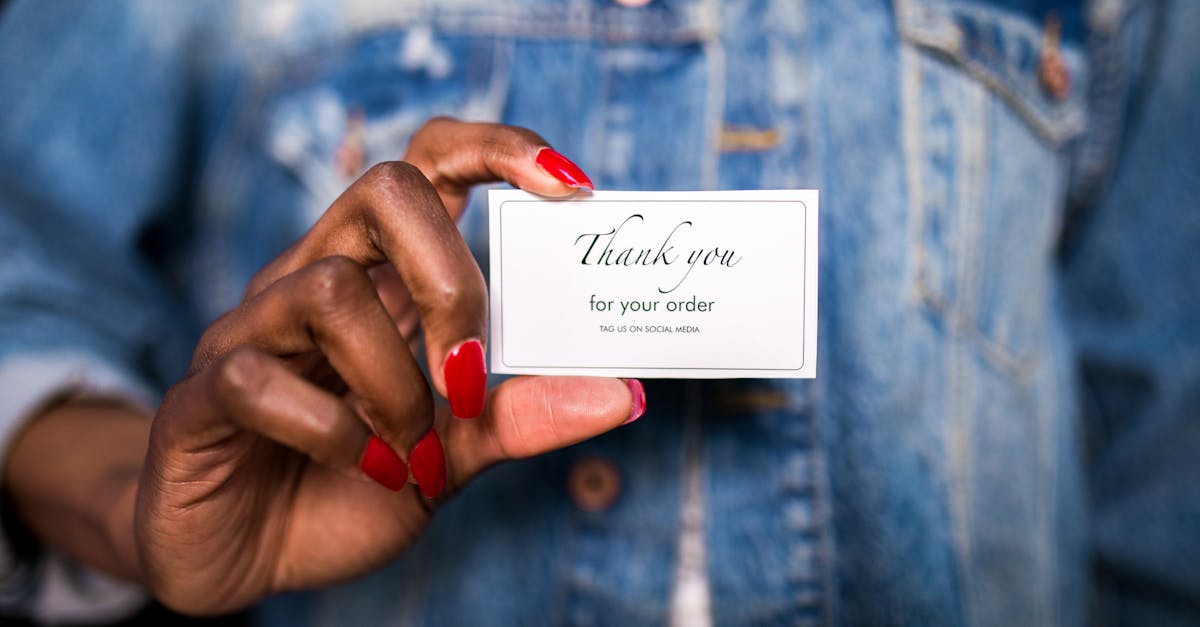
Beyond structured loyalty programs, sometimes the most impactful gestures are the unexpected ones. These “surprise and delight” moments are small, unannounced acts of kindness or generosity that catch customers off guard in a positive way. This could be a handwritten thank you note with an order, a small free gift, a personalized discount on their birthday, or even just a proactive check-in email. These moments humanize your brand, create lasting positive memories, and make customers feel truly cherished. They transform a transactional relationship into something far more personal and memorable.
Evolving with Your Audience: Staying Relevant
The world changes, and so do your customers’ needs and preferences. A brand that stagnates risks becoming irrelevant. To maintain loyalty over the long haul, your brand needs to be agile, adaptive, and willing to evolve. This doesn’t mean changing your core values or identity overnight, but rather paying close attention to feedback, market trends, and emerging technologies. Regularly assess whether your brand message still resonates, if your products meet current demands, and if your communication channels are where your audience expects them to be. A brand that shows it’s listening and growing alongside its community reinforces a commitment that fosters enduring loyalty.
Measuring Your Loyalty-Building Efforts
You can’t improve what you don’t measure, right? To truly understand the impact of your branding efforts on customer loyalty, you need to track key metrics. This isn’t just about vanity numbers; it’s about gaining actionable insights that help you refine your strategies and prove the ROI of your loyalty initiatives. Without measurement, you’re essentially flying blind, hoping for the best. Let’s look at what we should be keeping an eye on.
Key Metrics to Track
- Customer Retention Rate: This is perhaps the most direct measure of loyalty. It tells you the percentage of customers who continue to do business with you over a given period. A high retention rate signals strong loyalty.
- Lifetime Value (LTV): How much revenue does a customer generate for your business over their entire relationship with you? A higher LTV indicates that customers are staying longer and spending more, a clear sign of loyalty.
- Net Promoter Score (NPS): This metric gauges customer satisfaction and their willingness to recommend your product or service to others. Customers are asked a simple question: “On a scale of 0 to 10, how likely are you to recommend [Company/Product/Service] to a friend or colleague?” Promoters (9-10) are your loyal advocates.
- Repeat Purchase Rate: The percentage of customers who have made more than one purchase from your brand. It’s a straightforward indicator of repeat business.
- Customer Engagement Metrics: Look at how often customers interact with your brand beyond purchases. This could include email open rates, social media engagement, website visits, or participation in your community forums. High engagement often correlates with higher loyalty.
- Churn Rate: As we discussed, this is the inverse of retention. A low churn rate is your goal, signifying that customers are sticking around.
By regularly monitoring these metrics, you can identify what’s working, what isn’t, and make informed decisions to continuously improve your brand’s ability to cultivate lasting customer loyalty. It’s an ongoing process, not a one-time fix.
Conclusion: Building a Brand That Lasts a Lifetime
In the grand tapestry of business, customer loyalty is the golden thread that weaves through every success story, and branding is the masterful loom that creates it. It’s not about quick wins or superficial tactics; it’s about a deep, unwavering commitment to understanding, connecting with, and valuing your customers. By embracing authenticity, ensuring consistency, fostering emotional connections, and delivering personalized, exceptional experiences, you don’t just sell products; you build relationships. You transform mere transactions into meaningful interactions and casual buyers into devoted advocates. Remember, your brand is a living, breathing entity that evolves with every promise kept and every customer delighted. Nurture it, invest in it, and watch as it pays you back tenfold in unwavering loyalty, advocacy, and sustainable growth. Isn’t that the kind of legacy every business owner dreams of creating?
Frequently Asked Questions (FAQs)
1. How quickly can a business expect to see results from implementing loyalty branding strategies?
Building deep customer loyalty through branding is definitely a marathon, not a sprint! While you might see initial boosts in engagement or satisfaction from immediate tactics like a new loyalty program, truly ingrained loyalty, where customers become advocates, can take anywhere from six months to a couple of years to fully mature. It requires consistent effort, patience, and a genuine commitment to your brand’s values and your customers’ needs. Think of it as cultivating a garden; it needs continuous care to flourish.
2. Is building customer loyalty through branding only for large companies with big marketing budgets?
Absolutely not! While large companies might have more resources, the core principles of building loyalty through branding are universally applicable. Small businesses, in particular, often have an inherent advantage: they can offer a more personal touch, more authentic interactions, and more nimble responses to customer feedback. Focusing on a strong brand identity, excellent service, and genuine connections is often even more critical for smaller enterprises looking to differentiate themselves from bigger competitors. It’s about intentionality, not just budget size.
3. What’s the biggest mistake brands make when trying to build customer loyalty?
One of the gravest mistakes is inconsistency. A brand might have a fantastic mission statement, a beautiful logo, and a great social media presence, but if the customer experience falls flat, or the product quality fluctuates, all that effort crumbles. Another common pitfall is focusing solely on transactional rewards (discounts, points) without also nurturing emotional connections. Loyalty is built on trust and shared values, not just on getting a good deal. It’s about the entire journey, not just the destination.
4. How does social media play a role in building customer loyalty through branding?
Social media is an incredibly powerful tool for loyalty building! It allows brands to directly engage with customers, share their story, showcase their personality, and build a sense of community in real-time. Brands can use social platforms to celebrate customer successes, respond promptly to inquiries (and even complaints), offer exclusive content, and foster user-generated content that strengthens advocacy. It’s essentially a digital town square where your brand can truly connect and become part of your customers’ daily lives, reinforcing those emotional bonds.
5. Can customer loyalty survive a major brand mistake or crisis?
Yes, absolutely, but it depends entirely on how the brand handles the mistake. Loyal customers are often more forgiving because they have a history of positive experiences and trust. If a brand responds with transparency, takes genuine responsibility, communicates openly, and takes concrete steps to rectify the situation, loyalty can not only survive but often emerge stronger. It becomes a test of authenticity and commitment. However, if a brand tries to cover up, blame others, or remains silent, even the most loyal customers can quickly lose faith. Honesty and proactive resolution are the keys.